Choosing Old Colorado City Historic Homes or Modern Living
February 19, 2026
February 19, 2026
Torn between a century‑old bungalow and a sleek new townhome near Colorado Avenue? You are not alone. Old Colorado City draws you in with its rich history, compact main street, and easy access to the Westside, but the homes here span very different eras and upkeep needs. In this guide, you will see the real trade‑offs on cost, maintenance, rules, parking, and day‑to‑day living so you can choose with confidence. Let’s dive in.
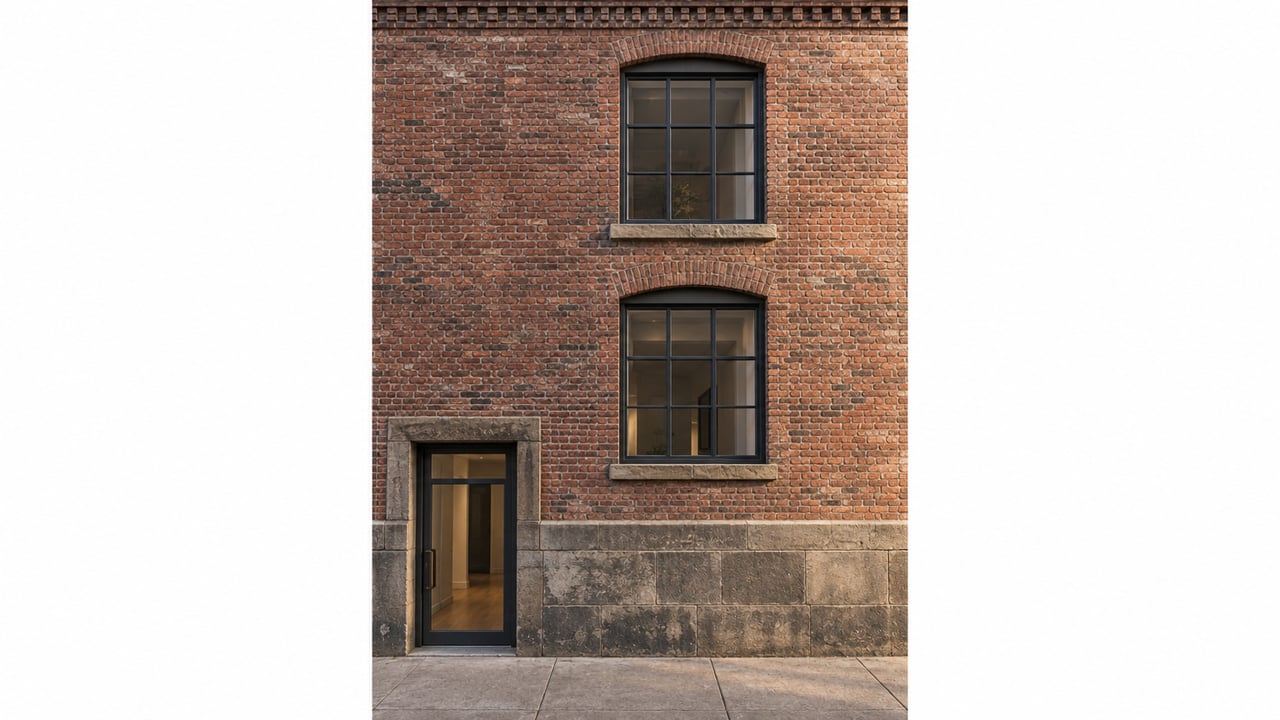
Old Colorado City’s identity is rooted in its past. The commercial core around Colorado Avenue and Bancroft Park is recognized on the National Register of Historic Places as the Old Colorado City Historic Commercial District, which helps protect its character and streetscape. You will notice brick storefronts and turn‑of‑the‑century influences that set a distinct tone for the neighborhood. That historic setting is part of the appeal if you love one‑of‑a‑kind details and a walkable main street vibe.
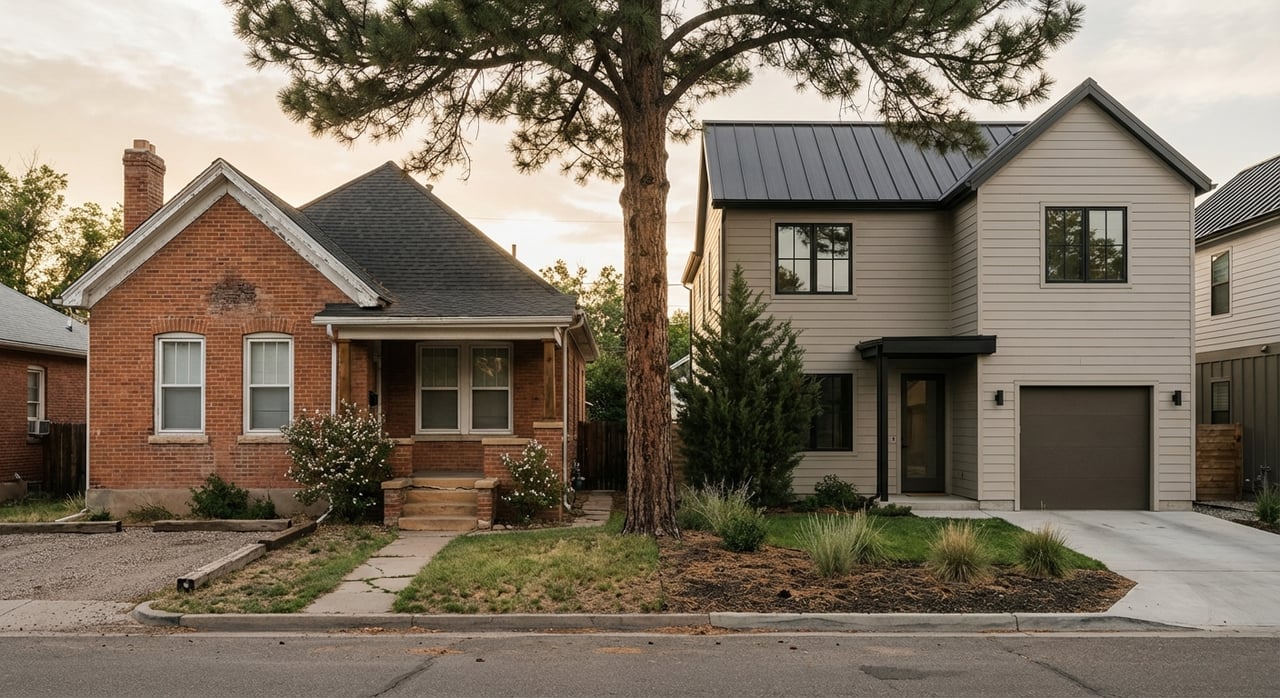
Residential blocks near the core feature Craftsman bungalows, cottages, and modest early‑1900s homes in varying states of renovation. Floor plans can be more compartmentalized, with smaller rooms and fewer baths compared to modern builds. Many renovated homes blend preserved exteriors with updated kitchens, baths, and mechanicals for a best‑of‑both balance.
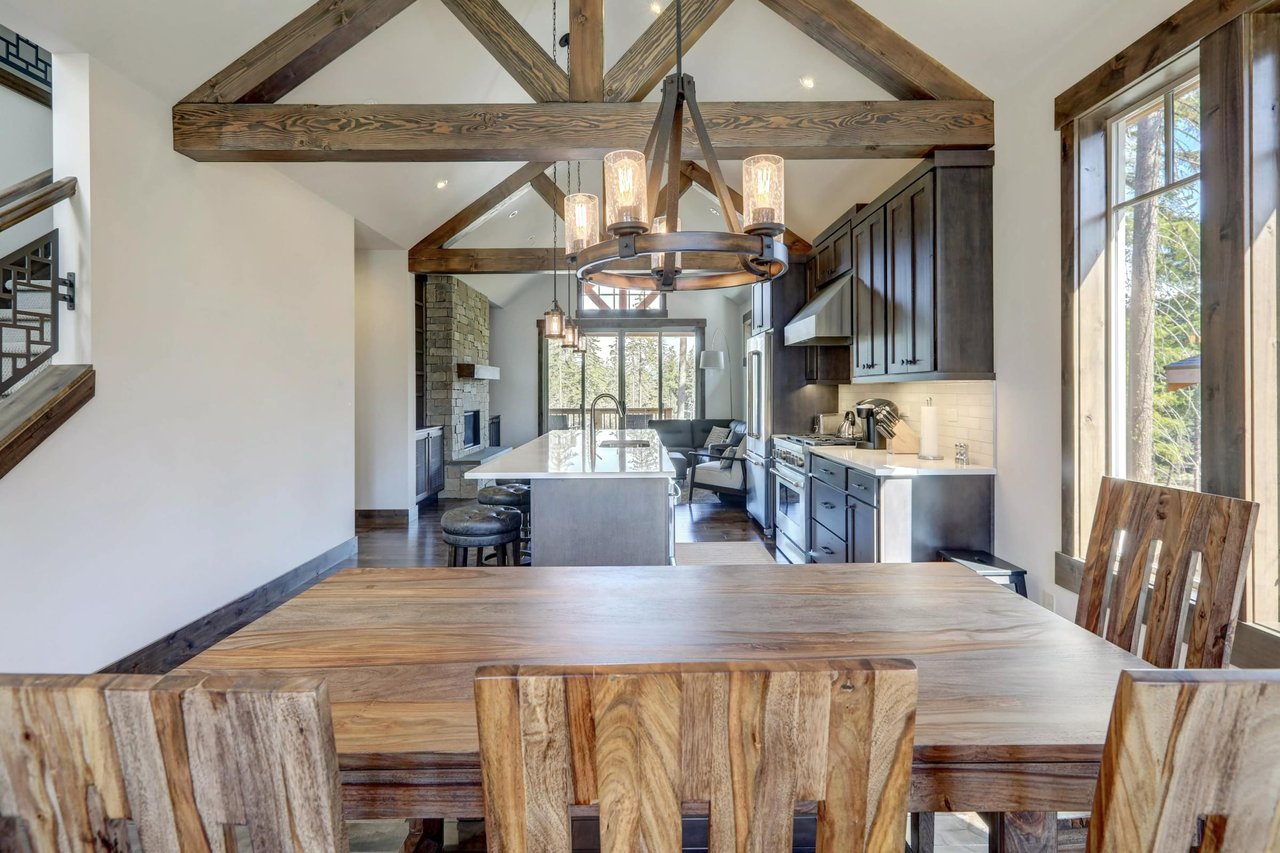
Across the neighborhood you will also see newer infill homes and townhomes. These often offer open‑plan living, multiple baths, modern systems, and the perk of attached garages. If you want lower near‑term maintenance and guaranteed off‑street parking, the newer stock can fit well. Townhomes also tend to provide larger usable interior area than older cottages because of multi‑level designs.
The trade‑off is character. Newer options will not mirror the patina of a turn‑of‑the‑century façade. Some communities include HOA rules and fees that cover exterior care and set standards for the look and use of the property, which can be a plus for maintenance but adds monthly cost.
OCC rates as somewhat walkable, and the historic core is the most pedestrian friendly. That means many daily errands and dining options are within reach if you live near Colorado Avenue. If you rely on transit, Mountain Metro’s Route 3 runs along Colorado Avenue and connects Old Colorado City to downtown Colorado Springs and Manitou Springs, which can support some commute and errand trips.
Because the district draws visitors, plan for event days and busy weekends. The City manages on‑street meters and nearby surface lots, with posted rates and the option to pay via ParkMobile. If you own an older home without a driveway, understanding meter hours, lot availability, and alley access can make a real difference in daily life.
A simple planning rule is to set aside about 1 percent of a home’s value each year for routine maintenance. For older properties or homes with deferred work, many advisors suggest planning 2 to 4 percent. Use this as a starting point, then adjust based on your inspection and the age of big‑ticket systems like roof, electrical, plumbing, and HVAC.
Older homes can deliver incredible character, but they also come with materials and systems that deserve extra attention:
Newer builds and townhomes typically offer modern systems and finishes, which can mean lower near‑term repair costs. You may also benefit from HOA‑managed exterior maintenance in some communities. Balance that against monthly HOA fees and rules about exterior changes, pets, or short‑term rentals. If low‑stress maintenance is your top goal, newer construction often delivers.
If you buy in or near the historic core, your exterior project plans matter. Properties within locally recognized historic areas often require an extra review step for exterior work that is visible from the street. That can include siding, windows, additions, fences, and demolition.
Before you write an offer or start a project, confirm whether a specific address sits inside the mapped Old Colorado City historic district. That one step helps you anticipate any design review and permit needs. It also clarifies what was approved on prior exterior changes, which is helpful for due diligence.
If your property is within a designated historic area, the City’s preservation resources explain how design review and Certificates of Appropriateness work and what kinds of exterior changes typically require approval. While that adds process, it also helps protect neighborhood character and your long‑term value.
Planning a larger rehabilitation? There are grant and tax‑credit programs that support standards‑based historic work. These programs can improve your project’s financial picture if you qualify, but they require early coordination and compliance with specific guidelines.
Older systems can affect your financing and coverage. Some insurers and lenders may require electrical or other safety upgrades as a condition of coverage or closing. A full inspection, plus targeted specialists where needed, will tell you what to expect. For many buyers, ordering a sewer scope, roof evaluation, and system checks is smart money well spent before you commit.
There is no single right choice here. Focus on how you want to live day to day, then align that with the home type that best supports it.
Use this quick list to keep your search and due diligence on track:
Old Colorado City offers both timeless charm and modern convenience. The right fit depends on your appetite for maintenance, your need for parking and transit, and how much you value the district’s historic character. If you want a steady, data‑driven guide to compare homes side by side and plan upgrades with confidence, connect with the founder‑led team at Kap|Lyons Premier Real Estate. We will help you weigh the numbers, navigate City processes, and move forward with a plan you feel great about.
Stay up to date on the latest real estate trends.

Whether you’re buying your first home or upgrading to your forever space, we’re here to guide every step. Kap Lyons combines local insight with smart strategy to make your move seamless and successful.