Estate Living In Cherry Hills Village: What To Expect
April 9, 2026
April 9, 2026
If you are drawn to space, privacy, and a quieter residential setting near Denver, Cherry Hills Village tends to stand apart. This is not typical suburban living, and that difference matters when you are deciding whether an estate property fits your lifestyle and long-term goals. In this guide, you will get a practical look at what estate living in Cherry Hills Village really feels like, from lot sizes and daily routines to trails, open space, and the city’s carefully protected character. Let’s dive in.
Cherry Hills Village is a small residential city in Arapahoe County just south of Denver. According to the city’s community profile, it spans 6.5 square miles and has roughly 6,000 residents, with ZIP codes that include 80113.
That small scale shapes the experience of living there. The same city profile and Census data show a housing market defined by ownership, with a 97% owner-occupied housing rate and median owner-occupied home values above $2,000,000. In simple terms, this is a market built around long-term residential ownership rather than high turnover or dense development.
A big part of Cherry Hills Village’s appeal is that its low-density feel is intentional. The city’s master plan describes the community as a safe, low-density residential area and emphasizes preserving its semi-rural, open character.
That matters because estate living here is about more than a large house. It is also about how the land around you functions, how much separation exists between homes, and how strongly the city protects its residential setting through planning and land-use policy.
Cherry Hills Village includes several residential districts, and lot sizes vary by zoning. According to the city’s residential development standards report, R-1 lots are 2.5 acres or larger, R-2 lots are 1.25 acres or larger, and R-3 lots are 1 acre or larger.
There is also the R-3A district, where some lots can be as small as 16,000 square feet, with average lot sizes around 29,000 square feet. Even where lot sizes step down, the overall pattern remains single-family and low-density, which helps preserve the spacious feel many buyers are seeking.
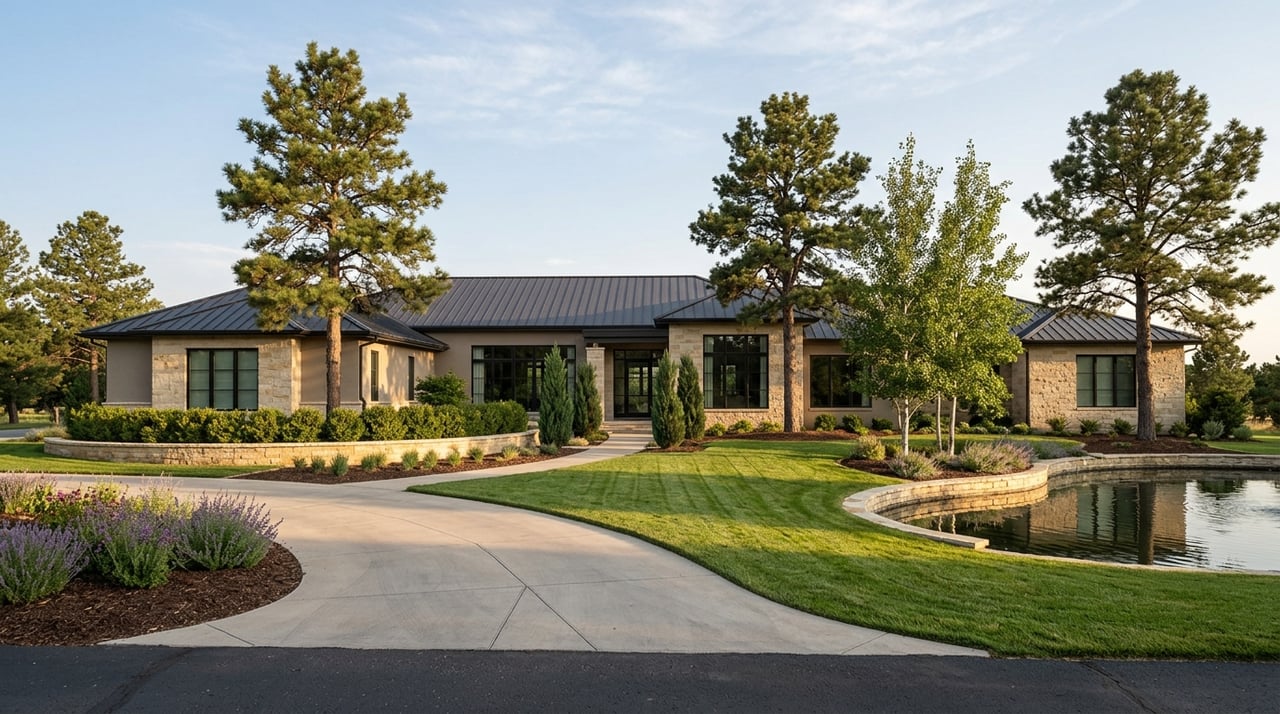
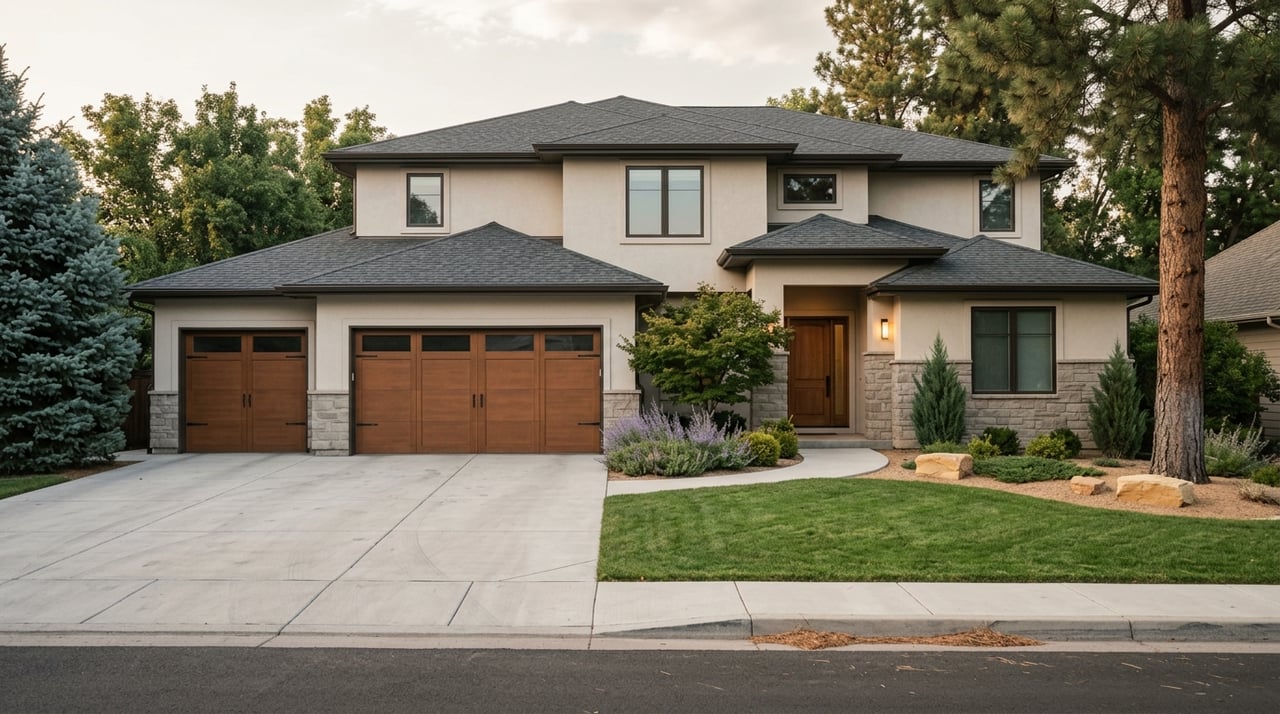
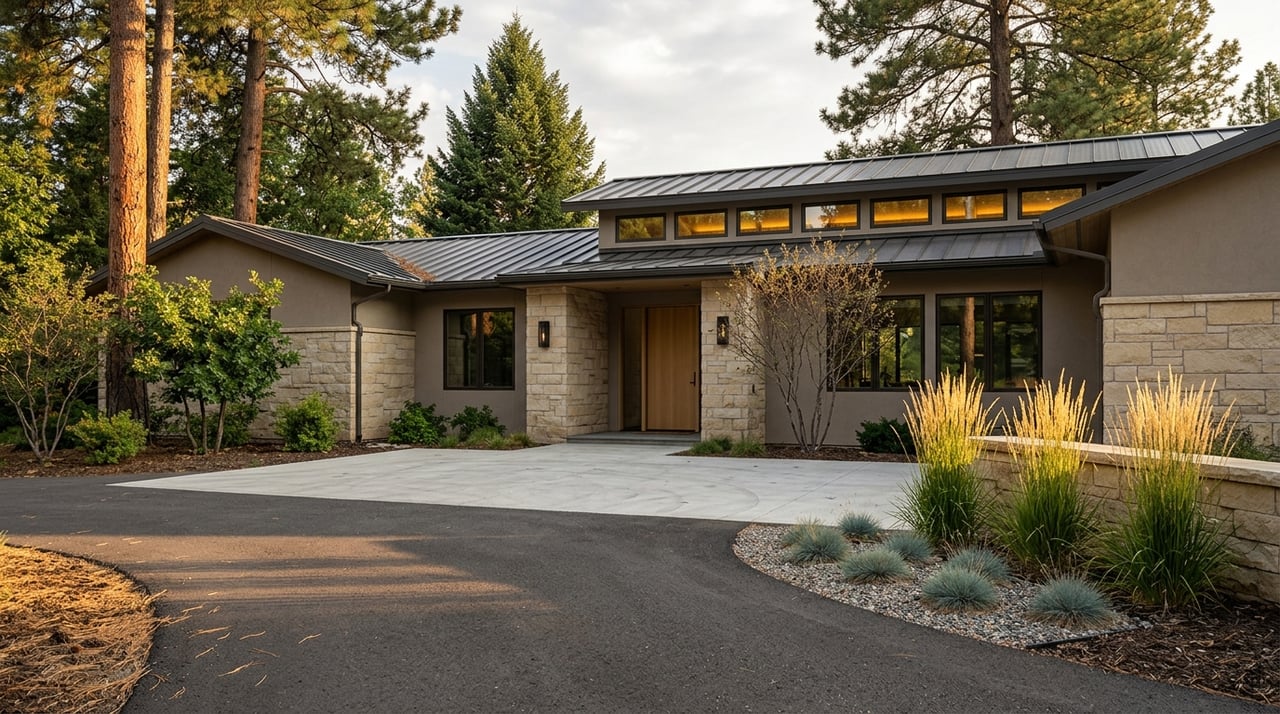
Large lots translate into a different everyday experience. In many parts of Cherry Hills Village, homes sit farther apart, setbacks are deeper, and yard space plays a bigger role in how a property lives and feels.
The city’s development standards report notes that in R-2 areas, lots average about 65,000 square feet, with structures generally spaced well apart. In practice, that can mean more visual separation from neighbors, more room for landscaping, and a stronger sense of privacy than you would typically find in a standard subdivision.
One thing many buyers notice quickly is that Cherry Hills Village is not a place where development feels casual or open-ended. The Planning & Zoning Division reviews building permits for zoning compliance and handles variances and subdivision applications.
For you, that means changes to a property may involve a more structured review process than in a typical suburban neighborhood. That extra oversight can feel restrictive to some buyers, but it also supports the consistency and long-term character that make estate living here so appealing.
Estate living in Cherry Hills Village also comes with visible expectations around upkeep. The city requires homeowners to maintain trees and landscaping that affect the public right-of-way, and it notes that vehicles and pedestrians share the streets on many routes.
You can read more on the city’s tree and limb maintenance guidance. The broader takeaway is simple: this is a community where careful maintenance and property stewardship are part of the everyday standard.
Cherry Hills Village offers more than large homes and generous lots. The City Manager’s Office page highlights more than 34 miles of trails, 47 acres of parks and open space, two golf courses, public arts, and three schools.
For many residents, these features help define the rhythm of daily life. Instead of feeling packed in, the community is organized around movement, scenery, and outdoor access, which reinforces the open, estate-style setting.
The High Line Canal is one of the area’s defining features. The city describes it as part of an over-71-mile continuous urban trail, and Cherry Hills Village is resurfacing its 3.75-mile local stretch.
That gives you a major recreational corridor woven into everyday life. Whether you enjoy walking, biking, or simply having open linear green space nearby, the canal adds real value to the experience of living in the village.
Another important piece of the lifestyle is Quincy Farm, a 17.5-acre property in the heart of Cherry Hills Village. The city describes it as a community amenity on both sides of the canal, open from sunrise to sunset.
Spaces like this matter because they show how preserved land functions in real life. You are not just buying a private property experience. You are also living in a community that has intentionally held onto meaningful open space.
Cherry Hills Village still reflects part of its semi-rural heritage through equestrian access. The city’s Parks & Trails Scavenger Hunt references nearby bridle trails totaling about 3 miles.
Even if you are not an equestrian buyer, that detail says something important about the area. The landscape is not designed like a conventional dense suburb. It still carries recreational and land-use patterns that support the estate character many buyers want.
Cherry Hills Village is close to Denver, but it is not built as a major retail hub. The city’s history explains that residents deliberately avoided developing a full commercial center and instead relied on nearby retail areas in Englewood, Littleton, and Denver.
That history still shapes daily life today. The result is a quieter residential environment inside the village, while many errands, shopping trips, and dining plans happen outside city limits.
For a place known for estate properties, Cherry Hills Village remains relatively connected. The city profile and Census data show a mean commute time of 20.6 minutes, which suggests a short-to-moderate commute pattern rather than a remote estate setting.
The master plan document also emphasizes walking, bicycling, transit, and traffic management while recognizing that the village remains oriented around the automobile. In practical terms, you can expect calm residential streets, regular driving for many daily needs, and a pace that feels quieter than more commercialized areas nearby.
Cherry Hills Village tends to fit buyers who value space, privacy, and long-term residential stability. If you want a highly active commercial district outside your front door, the village may feel too quiet or too residential for your preferences.
On the other hand, if you are looking for a protected low-density environment near Denver, with larger homesites, open space, trail access, and a strong culture of property care, the lifestyle can be a compelling match. The appeal is not just prestige. It is the combination of land, privacy, regulation, and preserved character.
Before purchasing an estate property in Cherry Hills Village, it helps to think beyond the house itself. Consider the zoning context, maintenance expectations, your comfort with a more regulated development environment, and how often you are willing to leave the village for shopping and dining.
It is also smart to evaluate how much lot size you truly want and how you plan to use the land. A larger property can offer privacy and flexibility, but it also changes the day-to-day demands of ownership.
If you are weighing whether Cherry Hills Village aligns with your goals, working with an advisor who understands both the property side and the lifestyle side can make a meaningful difference. Kap|Lyons Premier Real Estate brings a disciplined, client-first approach to helping you evaluate Colorado homes and neighborhoods with clarity and confidence.
Stay up to date on the latest real estate trends.


Whether you’re buying your first home or upgrading to your forever space, we’re here to guide every step. Kap Lyons combines local insight with smart strategy to make your move seamless and successful.