Buying a Loft in LoDo Denver: What to Review First
March 12, 2026
March 12, 2026
You love the idea of tall windows, brick walls, and walking to Union Station for coffee. A LoDo loft can deliver that character and convenience, but the best buys come from knowing the rules, the financing hurdles, and the inspection priorities that are unique to historic conversions. In this guide, you’ll learn what to look for before you tour, how HOA and city regulations affect your plans, and the key steps to keep financing smooth. Let’s dive in.
LoDo is Denver’s oldest neighborhood and a designated historic district centered on Union Station and Larimer Street. You’ll find brick-and-beam warehouse buildings converted to homes, plus a lively mix of restaurants and transit connections that put daily needs within a short walk. The same energy that draws people in can bring tradeoffs like nighttime noise, busy weekends, and limited on-site parking in some buildings. Get a feel for the district’s character and amenities by exploring the neighborhood overview from the LoDo district organization.
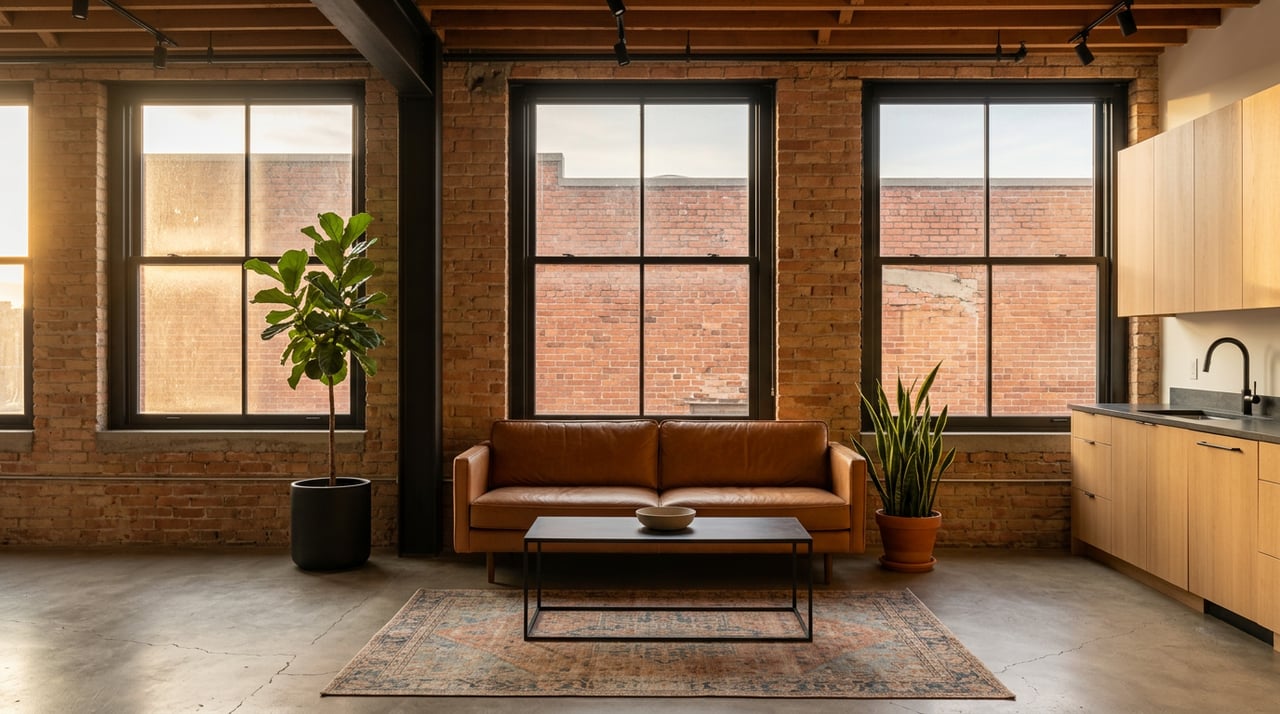
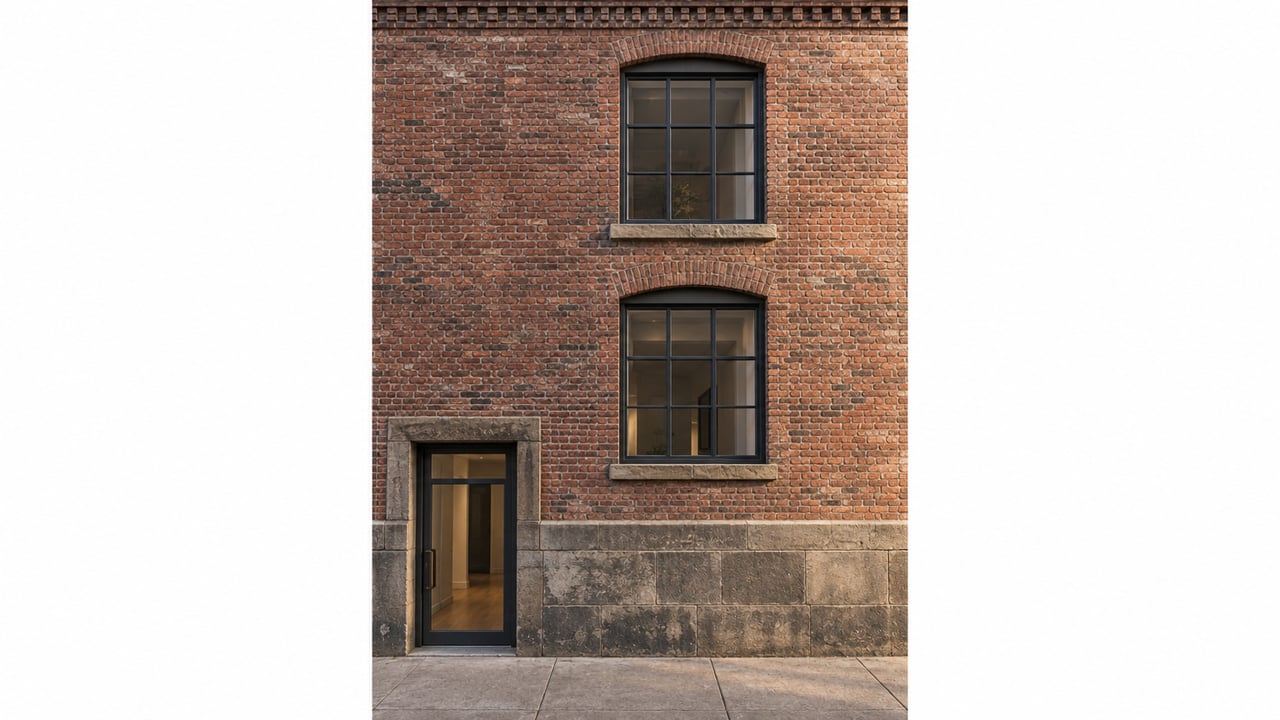
Many LoDo homes are converted warehouse lofts with exposed brick, heavy timber or steel, open floor plans, and large windows. The age of the original structure and the date of conversion often shape unit layouts, systems, and finishes. For a quick primer on typical LoDo building forms and features, review the Lower Downtown profile at the Denver Architecture Foundation.
LoDo sits inside the Lower Downtown Historic District, which means exterior changes are reviewed for compatibility. If you plan exterior work that affects windows, signage, patios, or structure, expect a formal review and permit path through the Lower Downtown Design Review Commission. Engage early so you understand timelines and feasibility before you commit.
Colorado’s HOA law, the Colorado Common Interest Ownership Act (CCIOA), gives you access to defined association records and financials. Before you buy, request the HOA’s resale packet, budgets, reserve study, insurance certificates, and recent meeting minutes so you can evaluate the building’s health. You can see the statutory records list in the CCIOA section cited by Colorado law.
If you are considering short-term rentals, Denver requires a license and generally limits STRs to your primary residence. Even if city law allows it, your HOA can prohibit or restrict STRs. Review both the Denver licensing rules and your CC&Rs to confirm what is permitted by the City’s STR program.
Noise is a practical consideration in any active downtown. Denver enforces an updated citywide Noise Ordinance, and event nights can spike activity near venues. If you are noise sensitive, review recent neighborhood discussions and consider visiting the building at a few different times. You can learn how the city addresses complaints through the Denver Noise Program.
Financing can be straightforward if the condo project is eligible for your loan type, but some historic conversions include commercial space or mixed uses that affect approval. If you plan to use FHA, confirm whether the condominium is FHA-approved or if a single-unit approval is possible. FHA guidance limits total commercial floor area and looks for minimum owner-occupancy along with documentation on insurance and governance. Review FHA’s condo resources on HUD’s condominium program page and ask your lender to verify project eligibility early.
Conventional loans backed by Fannie Mae or Freddie Mac require the project to be “warrantable.” Red flags that can make a project non-warrantable include a large commercial footprint, high single-entity ownership, inadequate master insurance, low reserves, significant litigation, or widespread assessment delinquencies. If a building is non-warrantable, you may need a larger down payment or a portfolio loan and should plan for extra underwriting time.
Lenders will also review the HOA’s insurance and reserves. Expect to provide master policy certificates, budgets, and any reserve studies. Thin reserves or frequent special assessments add risk and can slow loan approval. For a sense of the typical documents lenders and FHA look for at the project level, see HUD’s required documentation checklist and make sure your agent and lender coordinate on obtaining them early in the process.
Historic conversions are compelling, but older structures need targeted due diligence. Start with the building envelope: look for brick or masonry deterioration, roof condition, flashing details, and any signs of water intrusion around windows. Ask when the roof and façade were last serviced and whether warranty or inspection reports are available.
Life safety is essential. Confirm the presence and coverage of fire alarm systems, exit routes, and sprinklers where required by local code. Ask for recent test or inspection reports. If a building is older or had unique conversion conditions, clarify what standards applied at the time and whether any retrofit commitments remain.
Many LoDo buildings predate 1978. Federal law requires lead-based paint disclosure for pre-1978 housing, and the EPA’s Renovation, Repair and Painting (RRP) rule sets safe practices for disturbing paint during work. If you plan renovations, consider targeted lead testing and plan to use lead-safe contractors. You can learn more through the EPA’s lead safety overview.
Older buildings may also contain asbestos in certain materials. If you anticipate invasive work or if past renovations are undocumented, discuss an environmental survey with your inspector before demolition. Budget time for any required abatement using certified contractors.
Colorado has a high prevalence of elevated indoor radon. If the unit includes below-grade space or the building design suggests limited ventilation, add a radon test to your inspection plan. The Colorado Department of Public Health and Environment encourages testing and can point you to mitigation resources if levels are above the action threshold.
Mechanical systems in conversions can vary. Ask about HVAC type and age, service history, and how utilities are metered. Check electrical panel capacity if you plan a chef’s kitchen and scan for signs of past leaks, drain issues, or roof drainage concerns. Many lofts have exposed systems that make visual checks easier, but you still want a full inspection to validate condition.
Use this checklist to stay organized before you write an offer and during your inspection period.
Choosing LoDo is often a choice for character and location. You get historic brick-and-beam architecture, strong walkability, and immediate access to Union Station and dining. The tradeoffs can include more nightlife noise, limited on-site parking in some buildings, and older systems that require proactive maintenance. If you prefer predictable amenities, structured parking, and newer mechanical systems, you may want to compare purpose-built downtown condo towers as part of your search. To weigh these options, start by clarifying your must-haves and visit during different times of day. For a refresher on LoDo’s setting and activity, review the LoDo district overview.
Buying a LoDo loft rewards careful preparation. When you align your goals, confirm project eligibility with your lender, and run a thorough inspection plan, you can capture the upside of historic character with fewer surprises. If you want a structured, fiduciary approach and a clear checklist from first tour to closing, we are here to help. Schedule a conversation with Kap|Lyons Premier Real Estate to map your path and move forward with confidence.
Stay up to date on the latest real estate trends.

Whether you’re buying your first home or upgrading to your forever space, we’re here to guide every step. Kap Lyons combines local insight with smart strategy to make your move seamless and successful.