Selling A Historic Home In Old Colorado City
May 14, 2026
May 14, 2026
If you own a historic home in Old Colorado City, you are not just selling square footage. You are selling character, craftsmanship, and a place in one of Colorado Springs’ most recognizable west-side settings. That can create real buyer interest, but it also means you need a smart plan for condition, documentation, and marketing. In this guide, you’ll learn how to prepare, position, and sell your Old Colorado City home with clarity and confidence. Let’s dive in.
Old Colorado City stands out because of its history and streetscape. City sources describe it as a historic west-side area founded in 1859 as a supply post for mining traffic, and today it is known for its heritage identity, shopping, and dining. For many buyers, that sense of place is part of the appeal from the start.
The neighborhood’s physical layout also matters. Colorado Springs planning guidance notes that historic neighborhoods often preserve walkable street grids, wide sidewalks, and limited setbacks. Those features can help buyers connect with the home’s surroundings, not just the house itself.
That said, “historic” can mean different things. Old Colorado City’s identity as a historic district does not automatically mean every property has the same zoning, review process, or restrictions. When you sell, it helps to present your home as historic character paired with verified condition, not just a historic label.
Before you invest in repairs or finalize your listing strategy, confirm exactly how your property is classified. The City of Colorado Springs publishes Old Colorado City historic district maps and WestSide design guidance, and sellers should verify whether a parcel is actually zoned HP, or Historic Preservation Overlay. That distinction can affect what work may need review.
If your property is HP-zoned, the city code requires a report of acceptability before the Regional Building Official can proceed with permit review for covered work. If your home is only within a broader historic area but not in the local overlay, the process may be different. State or National Register listing alone does not create the same local review.
This step matters because buyers appreciate certainty. When you can clearly explain your property’s status, you reduce confusion and help buyers feel more comfortable moving forward.
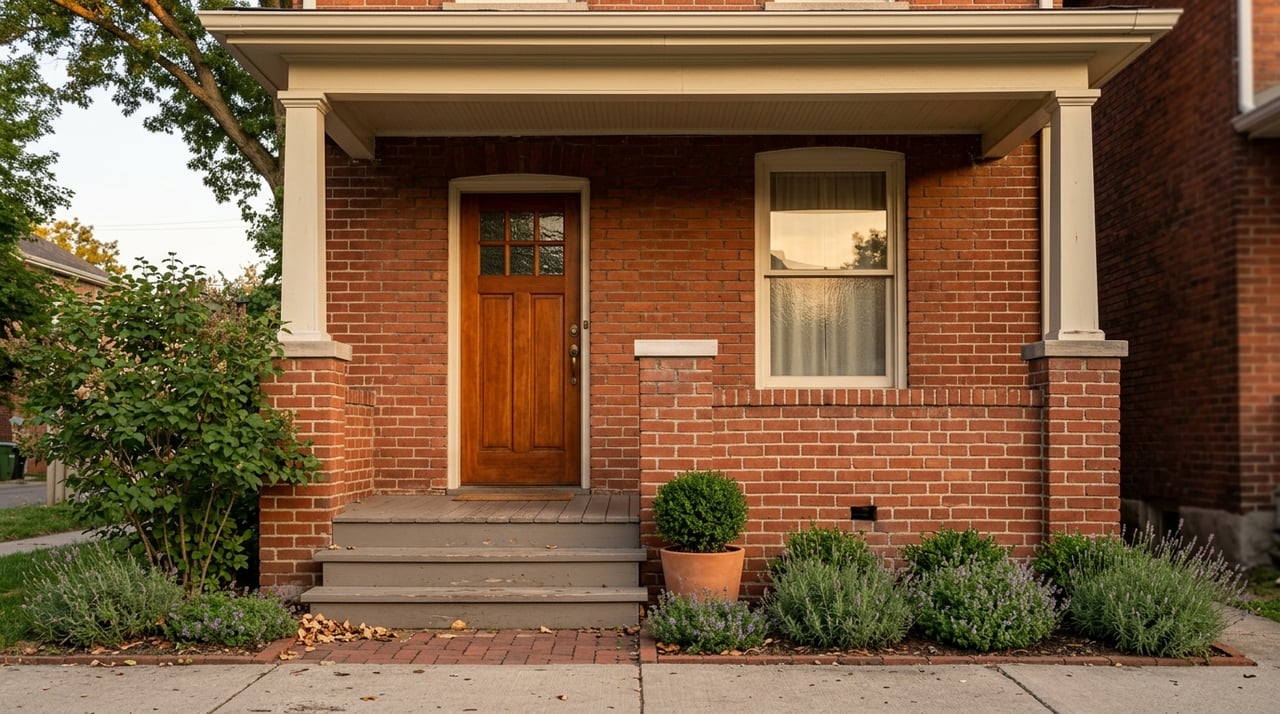
Historic homes usually connect with buyers when their most important details are easy to see. National Park Service guidance points to features like original woodwork, windows, porch details, masonry, and other visible materials as character-defining elements. These are often the details that make an Old Colorado City home memorable.
That does not mean every old feature should stay exactly as-is, no matter the condition. It means you should understand what gives the home its visual identity before making updates. In many cases, repair is preferable to replacement, especially when original materials still contribute to the home’s character.
Windows are a common example. Preservation guidance recommends retaining historic windows when possible, and if replacement becomes necessary, the new work should match the old in design, color, texture, and other visual qualities. For sellers, that approach can help preserve charm while avoiding changes that feel out of place.
When preparing an older home for market, start with safety and visible deterioration. This is especially important if your home was built before 1978, since older homes are more likely to contain lead-based paint. EPA and Colorado public health guidance both note that deteriorating paint can be hazardous, and repainting or renovation can create lead dust if the work is not handled properly.
If older paint, trim, or surfaces will be disturbed, use lead-safe contractors and follow the rules that apply to pre-1978 housing. This protects the property, supports safer preparation, and helps you avoid creating preventable issues before listing.
After that, turn to smaller defects that shape buyer perception. Even a dripping faucet, sticking door, or creaky floorboard can add to a buyer’s mental repair list. In a historic home, those details can either read as charming or as another future expense, depending on how well the property is presented.
Historic homes often come with more buyer questions, so documentation matters. In Colorado, sellers use the Seller’s Property Disclosure based on current, actual knowledge, and Colorado law requires disclosure of certain known facts and adverse material facts. Preparing this early can help you answer questions calmly and accurately.
If the home includes a residential dwelling built before January 1, 1978, a Lead-Based Paint Disclosure is required. Sellers must disclose known lead hazards and available records, and buyers are entitled to a 10-day period to conduct a risk assessment or inspection unless the parties agree otherwise.
Colorado transactions also include radon-related disclosures. Sellers must disclose known radon concentrations, test history, and mitigation or remediation information, along with the required state brochure. Since radon is common throughout Colorado, this is not a detail to leave until the last minute.
You should also confirm that required carbon monoxide alarms are in place. Colorado requires an operational carbon monoxide alarm within 15 feet of each bedroom entrance, or at the code-required location, before sale or lease.
A historic home usually has a better market response when its story is both appealing and credible. That means using records, surveys, and documented facts instead of assumptions. Colorado Springs zoning materials note that surveys and inventories were prepared for Old Colorado City and are on file with the Community Development Department, while state survey and inventory resources can also help verify property history.
Keep your claims precise. If you mention the build date, notable renovations, historic status, or ties to people or events, make sure those points are documented. Terms like “original,” “restored,” or “historic designation” should only be used when the evidence supports them.
This protects you in two ways. First, it helps buyers trust what they are seeing. Second, it keeps the listing focused on facts rather than overpromises that can create friction later.
Historic homes benefit from strong visual presentation. In the National Association of Realtors 2025 staging survey, 73% of buyers’ agents said photos were much more or more important to clients, 57% said the same for traditional staging, and 83% said staging makes it easier for buyers to visualize the property as a future home. For a home in Old Colorado City, those numbers matter.
Your listing photos should highlight the details buyers cannot easily find in a newer home. Think natural light, porch architecture, woodwork, masonry, windows, and the home’s relationship to the street. At the same time, the presentation should stay honest about condition.
Staging should support the architecture, not compete with it. Clean lines, edited rooms, and a light touch usually help buyers focus on the home’s texture and history. The goal is to make the property feel livable, cared for, and distinctive.
Some sellers wonder whether they should complete a larger rehab before going to market. That decision depends on your goals, timeline, property status, and budget. If your home is historic or potentially eligible for historic programs, more substantial work may carry added requirements.
The City of Colorado Springs notes that work on historic properties may be eligible for Colorado state income tax credits and must comply with the Secretary of the Interior’s Standards. History Colorado’s State Historic Preservation Office manages state and federal rehabilitation tax credit programs and related survey resources. If you are considering major improvements instead of simple pre-list prep, this is worth understanding before work begins.
For many sellers, the best move is not a full overhaul. It is a disciplined plan that improves condition, preserves defining details, and presents the home clearly to the right buyers.
Selling a historic home is different from selling a standard suburban property. Buyers may be excited by the charm, but they also want clarity on maintenance, disclosures, and what has or has not been updated. A strong sale strategy should balance emotional appeal with careful facts.
That is where founder-led guidance and polished presentation can make a difference. When your listing combines verified property details, smart preparation, and premium marketing, you are in a better position to attract serious buyers who understand the value of the home.
If you are preparing to sell a historic home in Old Colorado City, Kap|Lyons Premier Real Estate can help you build a disciplined plan for pricing, preparation, and market presentation with the hands-on service our boutique team is known for.
Stay up to date on the latest real estate trends.


Whether you’re buying your first home or upgrading to your forever space, we’re here to guide every step. Kap Lyons combines local insight with smart strategy to make your move seamless and successful.