Eyeing a loft by Union Station but not sure what those HOA fees really cover? You are not alone. In LoDo, HOA fees can vary a lot and they directly affect your monthly payment and long‑term affordability. In this guide, you will learn what fees usually include, how to compare buildings, the right documents to review, and the red flags to avoid. Let’s dive in.
What HOA fees usually cover
HOA fees are the shared costs of running your building. Treat them like a recurring housing expense when you budget. What is included will differ by building, so always confirm the details before you make an offer.
Common maintenance and services
- Upkeep of lobbies, hallways, elevators, roofs, exterior, sidewalks, and landscaping.
- Repairs to shared building systems such as HVAC in common areas and elevator service.
- Janitorial, onsite management, security, and sometimes a concierge or front desk.
- Trash, snow removal, and pest control.
Utilities and amenities
- Utilities for common areas are typical; some buildings include water, trash, gas, heat, or hot water for individual units.
- Amenities like a gym, pool, rooftop deck, party room, or pet areas raise operating costs.
- Parking and storage can be included, assigned, deeded, or billed separately. Always verify if parking is bundled with the HOA fee or has its own monthly cost.
Insurance and reserves
- The master association policy usually covers the building structure and common areas.
- You will still need your own HO‑6 condo policy for interior finishes, personal property, and liability.
- Part of your monthly fee funds reserves for major repairs and replacements. Healthy reserves help reduce the risk of surprise special assessments.
LoDo and Union Station fee ranges
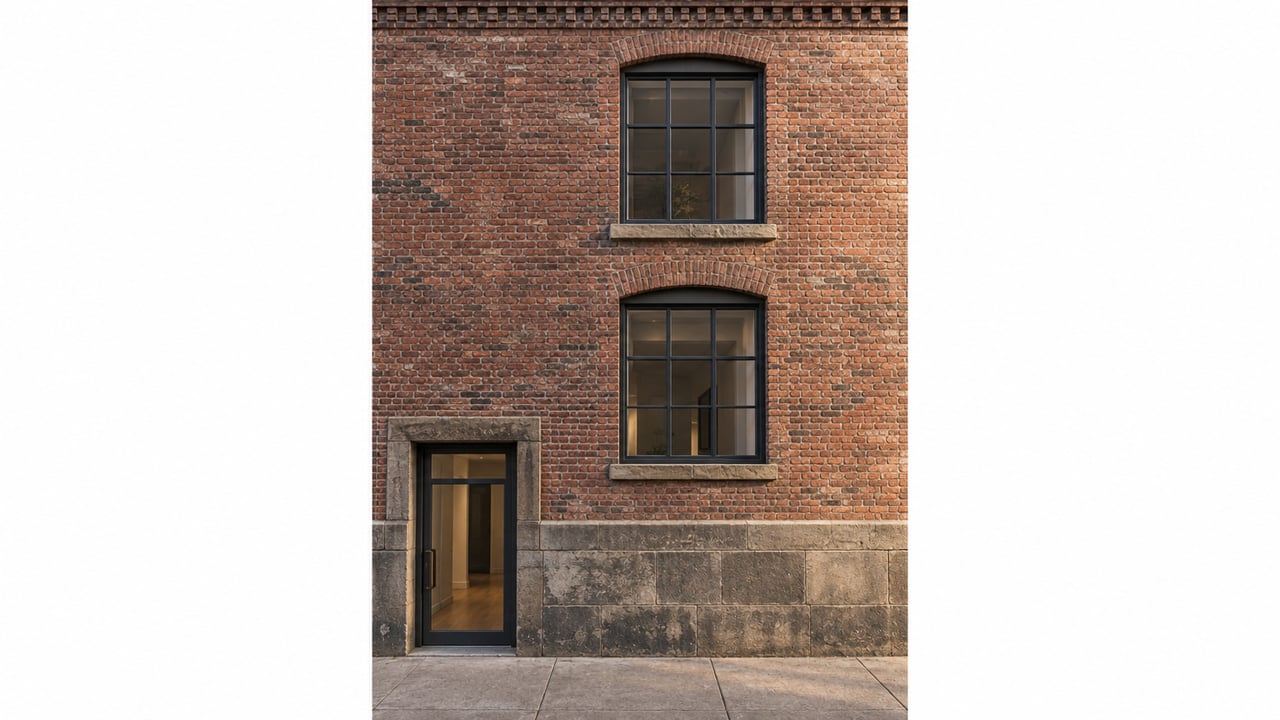
LoDo offers a mix of historic loft conversions, mid‑rise buildings, and newer luxury high‑rises near Union Station. Fee levels tend to follow building type and services.
- Lower end: under about $300 per month, often smaller buildings with minimal amenities.
- Mid‑range: about $300 to $600 per month, with basic amenities and sometimes some utilities.
- Higher end: above $600 per month, often full‑service buildings with concierge, staffed front desk, extensive amenities, and more complex parking operations.
These bands are general guidance. Actual fees and inclusions change as buildings adjust budgets and services. Always confirm current numbers and inclusions in the resale packet and HOA documents.
How to compare buildings
Start with a simple apples‑to‑apples checklist. Ask what the fee covers, which utilities are included, and whether parking and storage have separate charges. Then look deeper at the association’s financial health.
Key questions to ask
- What exactly is included in the monthly fee, including utilities, parking, storage, internet, or cable?
- Is there a recent reserve study? How well are reserves funded?
- Are any special assessments planned or pending in the next 1 to 5 years?
- What is the current delinquency rate for assessments among owners?
- Is the building involved in any litigation?
- What are the rules on rentals, short‑term rentals, pets, renovations, and leasing?
- How often have fees increased over the past 5 years and by how much?
Parking and storage costs
In LoDo and around Union Station, parking is limited and can add meaningful cost. Some units include deeded parking in the purchase price. Others charge a separate monthly fee. A few buildings bundle parking costs into the HOA. Confirm how parking is handled, whether spaces are deeded or assigned, and if there are move‑in or move‑out fees.
Reserves and special assessments
Reserves fund big‑ticket items like roofs, elevators, exterior work, garage repairs, and major mechanical systems. A current reserve study and steady funding are good signs. Low reserves, no study, or a history of repeated special assessments are red flags. Special assessments can be one‑time or spread out and may be significant, especially in older buildings or those with deferred maintenance.
Insurance basics for condo owners
The association’s master policy covers common elements and sometimes the building shell. Your HO‑6 condo policy should cover the interior, personal property, and liability. Ask about the master policy’s deductible. If it is very high, owners could face an assessment if a claim occurs. Also ask whether flood, earthquake, or sewer backup coverage is included, and consider endorsements if needed.
Financing and lender reviews
Lenders review the project, not just your unit. They will look at owner‑occupancy ratios, delinquencies, litigation, reserve funding, and special assessments. High HOA fees also affect your debt‑to‑income ratio and borrowing power. If you plan to rent, check rental restrictions since they can affect underwriting and future income assumptions. If you need FHA or VA, ask your lender about project approval and any spot loan options.
Colorado HOA governance and disclosures
Colorado condominium associations operate under the Colorado Common Interest Ownership Act and related state laws. Sellers typically provide a resale certificate or disclosure packet that includes current fees, governing documents, and key financials. Review meeting rules and budget notices, and consider legal counsel if you see complex issues like litigation or contested assessments.
Documents to request and review
Ask the seller or listing agent for the full resale packet. Review:
- Current budget and most recent financial statements.
- Reserve study or reserve analysis and funding plan.
- Board meeting minutes for the last 12 months.
- CC&Rs, bylaws, and rules and regulations.
- Master insurance declarations and deductible details.
- Management contract and management company info.
- List of pending or planned capital projects and any special assessments.
- Summary of delinquencies, liens, and any litigation.
- Rules for rentals, short‑term rentals, pets, renovations, and leasing.
- Any recent audit or CPA review, if available.
Financial signals to watch
- Reserve balance versus the reserve study’s recommendation.
- Operating budget surplus or deficit.
- Frequency and size of special assessments over recent years.
- Delinquency rate and any signs of cash flow stress.
- Management stability and board governance.
Buyer checklist
Before you make an offer
- Confirm what the HOA fee covers, including utilities, parking, and storage.
- Request the resale packet and recent board minutes.
- Ask about pending assessments and planned capital projects.
- Review rental and short‑term rental rules if relevant to your plans.
During due diligence
- Read the master insurance declarations and set up your HO‑6 coverage.
- Verify the delinquency percentage and whether any lender limits apply.
- Consult a real estate attorney if you see litigation, large assessments, or confusing CC&Rs.
- Budget for potential fee increases over time and stress‑test your monthly payment.
Red flags that warrant a closer look
- No reserve study or very low reserves relative to expected needs.
- Repeated or recent large special assessments.
- High owner delinquency or many liens.
- Ongoing or threatened litigation.
- Visible deferred maintenance or issues noted in meeting minutes.
- Restrictive rules that do not match your plans for pets, renting, or renovations.
- Insurance gaps or very high master policy deductibles.
How fees affect resale value
High but clear fees can be acceptable if they include valuable utilities, strong amenities, and healthy reserves. Buyers often prefer transparent, well‑run associations. Opaque fees, weak reserves, or litigation can reduce buyer interest and impact your resale.
Make a confident LoDo purchase
Buying a condo near Union Station means weighing location, amenities, and long‑term carrying costs. When you understand what your fees include, the health of the reserves, and the building’s rules, you can choose a home that fits your budget and your lifestyle.
If you want disciplined, fiduciary guidance as you compare buildings and evaluate HOA documents, our founder‑led team is ready to help. We bring financial rigor to your search, and we donate 10% of our earnings from your closing to a charity you choose. Connect with Kap|Lyons Premier Real Estate to Schedule a Free Consultation.
FAQs
What do LoDo condo HOA fees usually include?
- They typically cover common area maintenance, building systems, some utilities, amenities, master insurance for common elements, management, and reserve funding.
How much are HOA fees near Union Station?
- General guidance: under about $300 for smaller buildings, $300 to $600 for mid‑range, and $600 or more for full‑service high‑rises, with actual amounts varying by building and inclusions.
Are utilities included in LoDo condo fees?
- Sometimes. Many buildings include common area utilities, and some include water, trash, gas, heat, or hot water for units. Always confirm per building.
What is a special assessment in a condo?
- It is a charge outside the normal monthly fee, used to fund unexpected repairs or capital projects when reserves or budgets fall short.
What insurance do I need as a condo owner?
- The HOA master policy covers common elements. You should carry an HO‑6 policy for interior finishes, personal property, and liability, and consider endorsements as needed.
What should I review before buying a LoDo condo?
- Get the resale packet, budget, financials, reserve study, board minutes, insurance declarations, management contract, litigation and delinquency summaries, and the CC&Rs and rules.