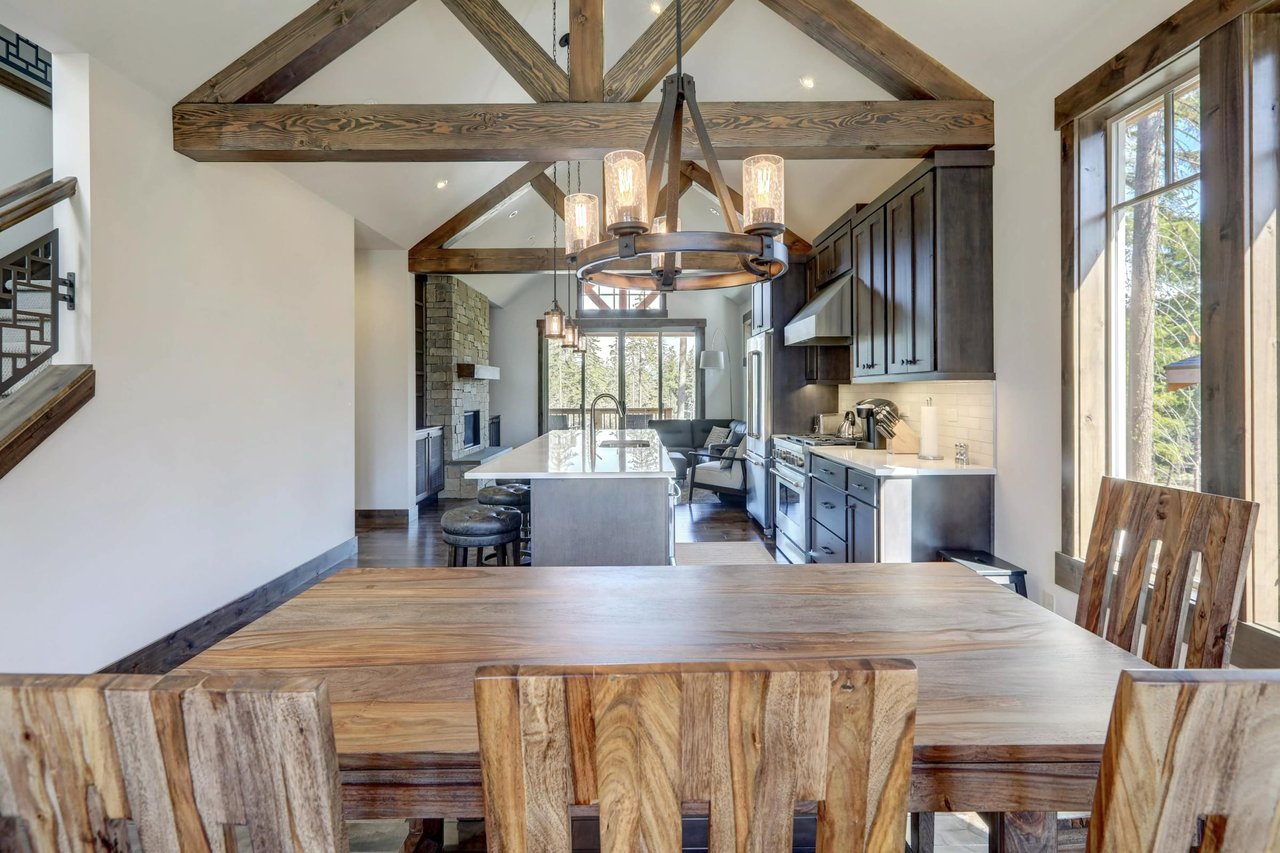
Buying New Construction In Flying Horse: What To Know
July 23, 2026
July 23, 2026
Thinking about buying a brand-new home in Flying Horse? It can feel exciting right up until you start sorting through builder contracts, design-center deadlines, HOA rules, and metro district taxes. If you want the polish of new construction without surprises later, it helps to know what is specific to this community before you sign. Here’s what to watch for as you compare homes, builders, and villages in Flying Horse.
Flying Horse is a master-planned, covenant-controlled community in north Colorado Springs, about 1.5 miles east of I-25 between Interquest Parkway and North Gate Boulevard. According to the community site, it includes 1,975 homes built from 2005 through 2024, along with private club amenities, two 18-hole golf courses, a clubhouse, dining, and guest lodging.
For current new-home options, activity is centered in The Village of Turin, The Village of Madonie, and Flying Horse North. The official community site lists builders that currently include Classic Homes in Turin, Classic Homes, Vantage Homes, and Goetzmann Custom Homes in Madonie, plus Alliance Builders, Classic Homes, Vantage Homes, and David Weekley Homes coming soon in Flying Horse North.
That matters because buying “in Flying Horse” is not one-size-fits-all. Your builder, village, lot, and supplemental declarations can all affect costs, maintenance, and how your purchase works in practice.
One of the biggest mistakes buyers make is assuming every part of Flying Horse operates the same way. It does not. HOA village pages show that maintenance responsibilities vary by village, with some placing most landscaping and building maintenance on the owner and others shifting certain landscape, street, gate, or exterior maintenance to the HOA.
That means you should not just ask about the home. You should also ask exactly which village you are buying in and what that village’s governing documents say about owner responsibilities, exterior upkeep, and any added assessments.
If you are comparing two new builds at similar price points, this can be a major difference. A lower-maintenance setup in one village may come with different fees or rules than a home in another section of the community.
A new construction purchase in Flying Horse usually does not look like a standard resale transaction. In Colorado, offers must be in writing, brokers generally use Colorado Real Estate Commission approved forms, and those forms allow contingencies. But builder purchase agreements can look very different when the seller provides its own contract.
That is why contract review matters so much before you commit earnest money. New-build agreements may handle timelines, deposits, builder delays, upgrades, and change orders differently than resale contracts.
Before signing, pay close attention to these items:
The practical goal is simple. You want to understand what is firm, what can change, and what your options are if the build timeline shifts.
When you buy new construction, the builder may suggest an affiliated lender or offer incentives tied to one. That can be worth exploring, but it should not stop you from comparing other loan options.
Consumer guidance notes that buyers do not have to use an affiliated lender. It also advises making the purchase offer and sales contract contingent on financing and a satisfactory inspection, while recognizing that builders may ask for upfront earnest money or a builder deposit.
For you, that means the best path is often to compare the total picture, not just the headline incentive. A lender credit can sound attractive, but the better question is how the rate, fees, monthly payment, and closing costs stack up across all your options.
Flying Horse buyers need to budget beyond the mortgage payment. This community includes both HOA costs and metro district tax considerations, and both should be reviewed early.
The HOA states that every residential owner pays a common assessment regardless of village. That assessment supports reserves, management, utilities, weekly trash collection, landscaping, snow removal on association property, covenant enforcement, and architectural review. Some villages also have added village assessments.
Flying Horse is also served by Title 32 metropolitan districts. District information describes these as quasi-municipal political subdivisions that help finance roads, utilities, parks, public infrastructure, and open-space maintenance. The community property-tax page says Flying Horse is serviced by six governmental entities, and the listed 2025 combined mill levy is 110.235 mills.
For a buyer, this means your recurring housing costs may include:
This is one reason disciplined budgeting matters in Flying Horse. A home’s base price is only part of the financial picture.
If you are building from the ground up or personalizing a semi-custom home, the design process deserves close attention. Builder timelines can move quickly once you are under contract.
Classic Homes says buyers are contacted within the first week after signing, the first appointment is virtual, and the design process usually wraps up within about 60 days from contract. Its FAQ also notes that missed appointments can delay the start of the home and that design pricing is not available before the appointment.
Vantage Homes outlines a sequence that typically includes contract, design studio, owner’s meeting, pre-finish tour, welcome home orientation, celebration tour, closing, and later reviews. In other words, decisions start coming early, and they continue throughout the build.
This is where many buyers get surprised. The base price may not include everything you want, and some options are only priced after your appointment. Classic also notes that the design studio can require a deposit once selections exceed a stated threshold.
When you compare builders or floor plans, keep these buckets separate:
That breakdown gives you a more accurate way to compare homes. It also helps you decide where upgrades matter most for your lifestyle and resale goals.
A new home is still a major construction project, so inspections and warranty details matter. Even with a reputable builder, it is smart to understand what inspections are allowed, when they can happen, and what the warranty covers.
Federal Trade Commission guidance says most newly built homes come with a builder warranty. Common patterns include one year for workmanship and materials, two years for plumbing, electrical, and HVAC systems, and up to 10 years for major structural defects. The same guidance notes that buyers should get the warranty in writing and submit claims in writing if issues come up.
It also helps to know how disputes are handled. Some builder warranty programs use mediation or arbitration, so you want to read those procedures before closing, not after a problem arises.
In Flying Horse, the HOA packet is not something to glance at the night before closing. It should be part of your decision-making process early in the transaction.
The association disclosures page says buyers should expect current covenants, bylaws, financial statements, audit, operating budget, reserve study, governance policies, meeting minutes, management contact information, assessment rates, insurance information, and seller disclosure materials. Those documents can help you understand fees, rules, reserves, and the overall structure of the association.
The HOA FAQ also states that exterior changes require written approval from the architectural committee. If you are already thinking about landscaping, paint, exterior features, or future modifications, that approval process matters.
Metro district disclosures are another important piece of a Flying Horse purchase. Colorado guidance says sellers of property within a metro district organized on or after January 1, 2000 must provide the district website on the required disclosure form.
State law also requires annual meetings, website contact processes, and a hard-copy explanation of how the district works, including debt and tax authority and an estimate of district property taxes. Since Flying Horse was organized in the mid-2000s, those disclosure rules are relevant here.
The takeaway is simple. You want a complete due-diligence file that includes not just the builder contract, but also HOA and metro district documents that affect ownership costs and obligations.
Before you move forward with a new construction purchase, ask these questions:
Those questions can help you compare options more clearly and avoid last-minute surprises. In a community with multiple villages, builders, and fee layers, preparation is a real advantage.
Buying new construction in Flying Horse can be a strong fit if you want a newer home in a well-established master-planned setting with multiple builder options and amenity access nearby. The key is to treat the purchase like both a lifestyle decision and a financial decision. When you understand the contract, the village structure, the upgrade path, and the recurring costs, you can move forward with much more confidence.
If you want disciplined guidance as you compare builders, villages, and total ownership costs in Flying Horse, Kap|Lyons Premier Real Estate is here to help you make a confident move.
Stay up to date on the latest real estate trends.

Whether you’re buying your first home or upgrading to your forever space, we’re here to guide every step. Kap Lyons combines local insight with smart strategy to make your move seamless and successful.